Teachers often find themselves digging deep into their own pockets to fund classroom supplies and resources, making discounts and special offers more than just a perk—they’re a much-needed helping hand. Recognizing the hard work and dedication that educators pour into their profession, many companies are stepping up to show their appreciation. Cove is one such company that understands the importance of supporting teachers both inside and outside the classroom, offering exclusive discounts to those shaping the minds of future generations.
Full disclosure: If you visit a link on this page and make a purchase, we may receive a small commission at no extra cost to you.
Cove specializes in creating state-of-the-art home security systems that are both user-friendly and highly effective. With a focus on simplified installation and operation, their products provide peace of mind for homeowners looking to protect their families and property. The company’s offerings include customizable security solutions with round-the-clock monitoring, easy-to-use touch screen panels, and a wide range of sensors and accessories designed to fit a variety of household security needs. Cove’s commitment to safety extends to their customer service, with a team dedicated to ensuring that users feel confident and secure in their choices.
For teachers looking to secure their homes with Cove’s products, the process of claiming their discount couldn’t be more straightforward. Educators are eligible to receive these special savings by verifying their teacher status through a simple and efficient verification process. Once confirmed, teachers can enjoy a generous discount on their purchase. And with Cove’s DIY installation, educators can easily set up their security systems without missing a beat in their busy schedules. It’s Cove’s way of saying “thank you” to the teachers who do so much for our communities.
Q&A
Title: Unraveling the Mystery of Cove: An Alluring Enigma
Q1: What exactly is “Cove” and where can it be found?
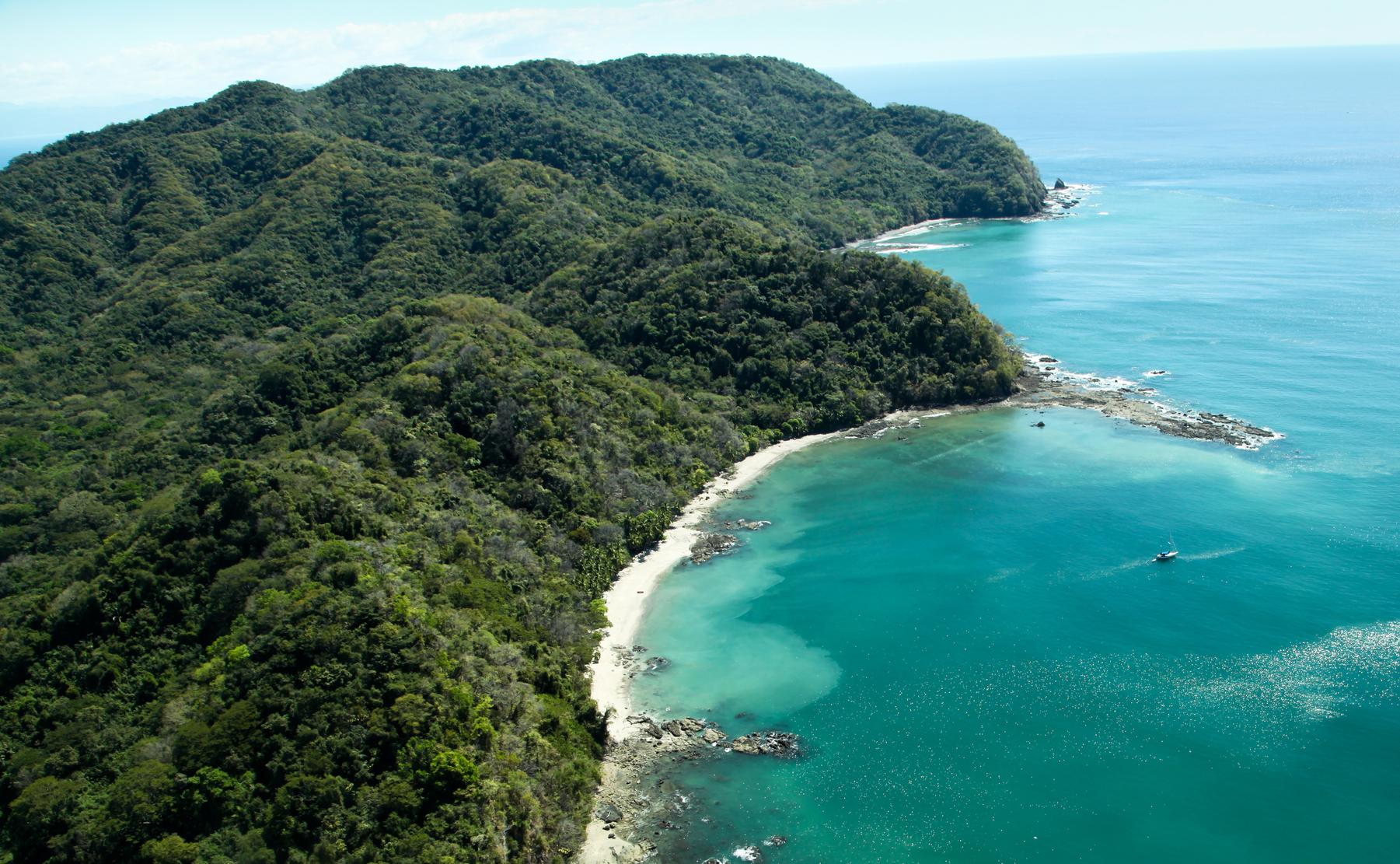
A1: Cove is a term often used to describe a small, sheltered bay or coastal inlet. These natural wonders are typically nestled within the arms of cliffs or surrounded by a crescent of land. You can find coves adorning coastlines all over the world, each with its own unique charm and character, offering a tranquil escape from the open sea.
Q2: Why do coves captivate our imagination?
A2: Coves have long been the subject of maritime lore and coastal romance. Their secluded nature provides a sense of mystery and privacy, which has made them ideal settings for stories of pirate hideaways, hidden treasure, and secret rendezvous. The picturesque beauty of coves, with their often calm waters and surrounding greenery, also makes them a magnet for nature lovers and those seeking serenity by the sea.
Q3: Can coves support unique ecosystems?
A3: Absolutely. The sheltered environment of a cove can create a distinct ecosystem, often housing a diverse array of marine life. These microhabitats can support various species of fish, crustaceans, and plant life that have adapted to the calmer waters and specific conditions found within a cove’s embrace.
Q4: Are coves at risk from environmental threats?
A4: Like many natural habitats, coves face environmental threats such as pollution, climate change, and human interference. The relatively closed-off nature of a cove can make it particularly susceptible to accumulating pollutants that flow in from the sea or runoff from surrounding land. Additionally, rising sea levels and increased storm activity can erode the protective land barriers, potentially altering or destroying coves over time.
Q5: How can we responsibly enjoy and preserve coves?
A5: To enjoy coves responsibly, it is important to respect their natural state and the wildlife that calls them home. This includes refraining from leaving trash behind, not disturbing marine life, and sticking to established paths and viewing areas where provided. Preserving coves involves supporting local conservation efforts, participating in clean-up initiatives, and advocating for policies that protect coastal environments.
Q6: What activities can be enjoyed in coves?
A6: Coves are ideal spots for a multitude of activities that allow visitors to immerse themselves in nature without venturing into rougher waters. Swimming, snorkeling, and paddleboarding are popular in the calm waters, while the surrounding areas may be perfect for hiking, picnicking, or wildlife watching. For those who prefer a more relaxed experience, simply lying on the beach and soaking in the serene atmosphere is a delightful way to spend the day.
Q7: Are coves accessible to everyone?
A7: Accessibility to coves varies widely depending on their location and terrain. Some coves are easily reachable by car or a short walk, making them accessible to most. Others may require a hike or even a boat trip to reach, offering a more secluded experience for those who are up for the adventure. It’s important to research the cove you plan to visit to understand the accessibility options and any potential challenges.
Q8: Can visiting a cove contribute to local economies?
A8: Tourism centered around natural attractions like coves can indeed contribute positively to local economies. Visitors to coves often support local businesses by dining at nearby restaurants, staying in local accommodations, and purchasing goods and services in the area. It’s crucial that this economic activity is balanced with sustainable practices to ensure the long-term health and accessibility of these captivating natural environments.